Optometry360 Logo White
  • Conferences
  • Videos
  • Podcasts
  • Quizzes
  • About
    • About Us – Mission
    • Content Awards
    • Media Partners
    • Business Team
    • Brand Ambassadors
    • Industry Council
    • Advisory Board

What are you looking for?

  • Anterior Segment
  • Cataract
  • Cornea and External Disease
  • Diabetic Macular Edema
  • Dry Eye
  • Early Onset Cataracts
  • Exclusives
  • General
  • Geographic Atrophy
  • Glaucoma
  • Industry News
  • Inherited Retinal Disease
  • IOLs
  • Neurotrophic Keratitis
  • Ocular Surface Disease
  • Oculoplastics
  • Optometry
  • Pediatrics
  • Practice Management
  • Presbyopia
  • Refractive Surgery/Vision Correction
  • Residents & Young Ophthalmologists
  • Retina
  • Retina Care 360
  • Retinopathy of Prematurity
  • Spotlight Series
  • The Interventional Glaucoma Project
  • The Ophthalmic Project
  • Trending Topics
Spotlight - The Future of Cryopreserved Amniotic Membrane in Oculoplastic Surgery
Optometry360 Logo White
  • Conferences
  • Videos
  • Podcasts
  • Quizzes
  • About
    • About Us – Mission
    • Content Awards
    • Media Partners
    • Business Team
    • Brand Ambassadors
    • Industry Council
    • Advisory Board
Home > Glaucoma > Demographic factors influence uptake of glaucoma screening in first-degree relatives following a familial diagnosis
  • Glaucoma

Demographic factors influence uptake of glaucoma screening in first-degree relatives following a familial diagnosis


Kerri Fitzgerald
screening

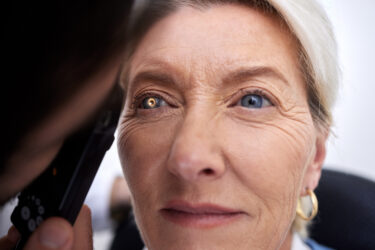
Primary open-angle glaucoma (POAG) has a genetic component, thus first-degree relatives of individuals with POAG should be screened for glaucoma. Researchers sought to assess glaucoma screening uptake among first-degree relatives of patients with glaucoma in the community- (n=261) versus hospital-based (n=196) settings. They found that certain factors were associated with glaucoma screening uptake in first-degree relatives.

Individuals were invited for screening and underwent eye examinations, and those with suspected glaucoma underwent further confirmatory testing. Mean patient age was 70 years (range, 41-96 years).

Among the first-degree relatives invited, significantly more individuals in the hospital-based group underwent screening compared with the community-based group (64.5% vs 30.1%, respectively; P<.001). The researchers found that the following characteristics made individuals more likely to participate in screening:

  • Women (odds ratio [OR], 1.64; 95% CI, 1.14-2.38)
  • Age older than 45 years (OR, 2.06; 95% CI, 1.32-3.21)
  • Those who were related to an originating patient with blindness (OR, 1.69; 95% CI, 1.13-2.54)
  • Those with secondary education or higher (OR, 2.49; 95% CI, 1.48-4.18)

Among first-degree relatives screened, glaucoma was suspected in 19.2% and confirmed in 8.3%.

The study is limited by its non-randomized study design. In addition, the study took place in Chanthaburi, Thailand, where knowledge and disease information “are not comprehensive for all individuals in the area, potentially leading to incomplete and insufficient communication to the public,” the authors noted.

“The study shows that the hospital-based group had a significantly higher screening uptake than the community-based group, reflecting that information from the ophthalmic nurses is more effective and well-received than that from general nurses and village health volunteers,” the authors concluded.

Reference

Nitikarun P, Kongsap P. Comparative analysis of glaucoma screening uptake among first-degree relatives after community-based and hospital-based approaches. Clin Ophthalmol. 2024;18:1563-1573. doi:10.2147/OPTH.S459318

Share

Related Content

  • Glaucoma

Expanding the glaucoma treatment landscape with FLIGHT technology

  • Glaucoma

Geographic differences in glaucoma care raise concerns about equitable access

  • Cataract

Optimizing cataract surgery outcomes through dry eye management

  • Cataract

Spotlight on TECNIS Odyssey™

  • Glaucoma

Study finds significant IOP reductions with iDose TR and MIGS procedures

  • Glaucoma

EyeValve device lowers IOP and maintains control for 9 months in first-in-human study

Share

Editor's Picks

  • Neurotrophic Keratitis

Topical insulin shows real-world benefit in neurotrophic keratopathy

  • Retina

GLP-1 RAs have protective effects against AMD

  • Retina

Four-month injection intervals appear safe for long-term stable nAMD

Advisory Board

Saad Ahmad, MD

Ahmad A. Aref, MD, MBA

Roomasa Channa, MD

David Chow, MD, FRCS(C)

Sally L. Baxter, MD, MSc

Neel R. Desai, MD

Nadia Haqqie, MD

Simon Fung, MD, FRCOphth

Sumit Garg, MD

Ross Lakhanpal, MD, FACS

Sanjai Jalaj, MD

Anton Kolomeyer, MD, PhD

Shan Lin, MD

Steven R. Sarkisian, Jr., MD

See All
Optometry360 Logo

Ophthalmology 360® is a dynamic digital platform dedicated to advancing the field of eye care.

Get to Know Us

  • Home
  • About Us
  • Media Partners
  • Advertising Policy
  • Our Advisory Board

Sign up for our Newsletter

Sign up for our Newsletter to get our newest articles instantly!

  • Privacy Policy
  • Advertising Policy
  • Medical Disclaimer
IHM Logo

2026 Ophthalmology 360 is a trademark of International Healthcare Media, LLC. All rights reserved

  • MedJournal360 Icon
  • RareDisease360 Icon
  • MyHero360 Icon
  • Optometry360 Icon
  • Ophtalmology360 Icon