Optometry360 Logo White
  • Conferences
  • Videos
  • Podcasts
  • Quizzes
  • About
    • About Us – Mission
    • Content Awards
    • Media Partners
    • Business Team
    • Brand Ambassadors
    • Industry Council
    • Advisory Board

What are you looking for?

  • Anterior Segment
  • Cataract
  • Cornea and External Disease
  • Diabetic Macular Edema
  • Dry Eye
  • Early Onset Cataracts
  • Exclusives
  • General
  • Geographic Atrophy
  • Glaucoma
  • Industry News
  • Inherited Retinal Disease
  • IOLs
  • Neurotrophic Keratitis
  • Ocular Surface Disease
  • Oculoplastics
  • Optometry
  • Pediatrics
  • Practice Management
  • Presbyopia
  • Refractive Surgery/Vision Correction
  • Residents & Young Ophthalmologists
  • Retina
  • Retina Care 360
  • Retinopathy of Prematurity
  • Spotlight Series
  • The Interventional Glaucoma Project
  • The Ophthalmic Project
  • Trending Topics
Spotlight - The Future of Cryopreserved Amniotic Membrane in Oculoplastic Surgery
Optometry360 Logo White
  • Conferences
  • Videos
  • Podcasts
  • Quizzes
  • About
    • About Us – Mission
    • Content Awards
    • Media Partners
    • Business Team
    • Brand Ambassadors
    • Industry Council
    • Advisory Board
Home > Inherited Retinal Disease > New research sheds light on prevalence of inherited retinal diseases in the US
  • Inherited Retinal Disease

New research sheds light on prevalence of inherited retinal diseases in the US

Ophthalmology 360

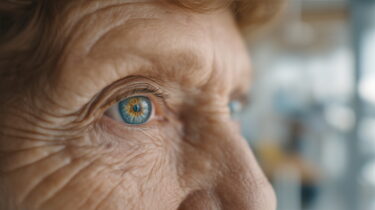
A new study found that although inherited retinal diseases (IRDs) are rare, they can cause devastating visual impairments, with the most common IRDs affecting the neurosensory retina and RPE, followed by choroidal diseases and color blindness.

Results from the study, which used the American Academy of Ophthalmology IRIS® Registry data, were presented at ASRS 2023 by Ahmad Al-Moujahed, MD, PhD, MPH.

Key findings include:
-Three specific IRDs were focused on: retinitis pigmentosa (RP), choroideremia, and color blindness.
-RP was the most prevalent IRD, followed by choroideremia and color blindness.
-Age distributions varied among the conditions, with most RP and choroideremia patients falling in the 45-64 age group, while color blindness cases were predominantly in the 0-17 age range.
-Choroideremia patients had the worst visual acuity at the time of diagnosis compared to RP and color blindness patients.
-RP and choroideremia patients were more likely to develop cataracts, rhegmatogenous retinal detachment (RRD), cystoid macula edema (CME), and choroidal neovascularization (CNV) compared to color blindness patients.

The findings underscore the importance of monitoring and managing comorbid conditions that may further affect the vision of IRD patients. Overall, the study highlights the impact of IRDs and the need for ongoing research and support to improve the lives of those affected by these visually devastating diseases.

Reference
Al-Moujahed A. Epidemiology of Inherited Retinal Diseases in the United States: IRIS Registry (Intelligent Research In Sight) Analysis. Presented at: ASRS 41st Annual Meeting.

Share

Related Content

  • Inherited Retinal Disease

Patients with inherited retinal diseases face elevated risk of multiple ocular complications

  • Inherited Retinal Disease

Low-dose atropine shows limited effect on myopia progression in children with IRDs

  • Glaucoma

Review finds low adverse event rates for glaucoma stents

  • Retina

Switching to aflibercept 8 mg extends treatment intervals in suboptimal nARMD responders

  • Conference Roundup

Cryopreserved amniotic membrane significantly improves ocular surface integrity in patients with severe keratoconjunctivitis sicca and neurotrophic keratopathy

  • Conference Roundup

CAM360 with a collagen shield provides rapid epithelial healing with better tolerability and safety than when used with bandage contact lenses

Share

Editor's Picks

  • Neurotrophic Keratitis

Topical insulin shows real-world benefit in neurotrophic keratopathy

  • Retina

GLP-1 RAs have protective effects against AMD

  • Retina

Four-month injection intervals appear safe for long-term stable nAMD

Advisory Board

Saad Ahmad, MD

Ahmad A. Aref, MD, MBA

Roomasa Channa, MD

David Chow, MD, FRCS(C)

Sally L. Baxter, MD, MSc

Neel R. Desai, MD

Nadia Haqqie, MD

Simon Fung, MD, FRCOphth

Sumit Garg, MD

Ross Lakhanpal, MD, FACS

Sanjai Jalaj, MD

Anton Kolomeyer, MD, PhD

Shan Lin, MD

Steven R. Sarkisian, Jr., MD

See All
Optometry360 Logo

Ophthalmology 360® is a dynamic digital platform dedicated to advancing the field of eye care.

Get to Know Us

  • Home
  • About Us
  • Media Partners
  • Advertising Policy
  • Our Advisory Board

Sign up for our Newsletter

Sign up for our Newsletter to get our newest articles instantly!

  • Privacy Policy
  • Advertising Policy
  • Medical Disclaimer
IHM Logo

2026 Ophthalmology 360 is a trademark of International Healthcare Media, LLC. All rights reserved

  • MedJournal360 Icon
  • RareDisease360 Icon
  • MyHero360 Icon
  • Optometry360 Icon
  • Ophtalmology360 Icon