Ophthalmology 360
  • Conferences
  • Videos
  • Podcasts
  • Quizzes
  • About
    • About Us – Mission
    • Content Awards
    • Media Partners
    • Business Team
    • Brand Ambassadors
    • Photo Contest
    • Industry Council
    • Advisory Board

What are you looking for?

  • Anterior Segment
  • Cataract
  • Cornea and External Disease
  • Diabetic Macular Edema
  • Dry Eye
  • Early Onset Cataracts
  • Exclusives
  • General
  • Geographic Atrophy
  • Glaucoma
  • Industry News
  • Inherited Retinal Disease
  • IOLs
  • Neurotrophic Keratitis
  • Ocular Surface Disease
  • Oculoplastics
  • Optometry
  • Pediatrics
  • Practice Management
  • Presbyopia
  • Refractive Surgery/Vision Correction
  • Residents & Young Ophthalmologists
  • Retina
  • Retina Care 360
  • Retinopathy of Prematurity
  • Spotlight Series
  • The Interventional Glaucoma Project
  • The Ophthalmic Project
  • Trending Topics
2nd Annual Photo Contest - Enter Here!
Ophthalmology 360
  • Conferences
  • Videos
  • Podcasts
  • Quizzes
  • About
    • About Us – Mission
    • Content Awards
    • Media Partners
    • Business Team
    • Brand Ambassadors
    • Photo Contest
    • Industry Council
    • Advisory Board
Home > Ocular Surface Disease > Machine learning shows promise in estimating tear osmolarity for contact lens wearers
  • Ocular Surface Disease

Machine learning shows promise in estimating tear osmolarity for contact lens wearers

Ophthalmology 360

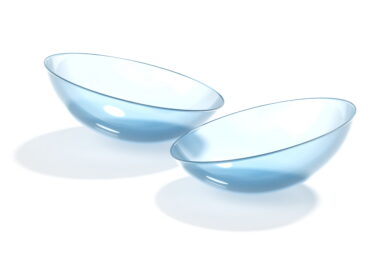
There is potential for integrating machine learning techniques into contact lens research and practice to enhance the measurement and understanding of tear osmolarity, a crucial parameter associated with contact lens-induced dry eye, according to a study.

The study demonstrates that traditional methods may be insufficient for accurately predicting tear osmolarity, but advanced machine learning models show promise in achieving higher accuracy levels.

The research utilized data from 175 participants, primarily healthy subjects eligible for soft contact lens wear. Various clinical assessments were performed, encompassing symptom evaluation, tear film parameters, ocular surface health, and Meibomian gland assessment.

The study highlighted the limitations of traditional linear regression techniques in predicting tear osmolarity accurately. However, employing more sophisticated regression models yielded promising results, explaining approximately 32% of the variability in tear osmolarity. Key predictors identified included parameters such as non-invasive keratometric tear film break-up time (NIKBUT), tear meniscus height (TMH), ocular redness, Meibomian gland coverage, and symptom assessment questionnaires.

In classification tasks aimed at categorizing tear osmolarity levels, the machine learning models achieved an accuracy of approximately 80%. This classification, differentiating between low, medium, and high osmolarity levels, underscored the significance of parameters such as NIKBUT, TMH, ocular redness, Meibomian gland coverage, and symptom assessment.

Reference
Garaszczuk IK, Romanos-Ibanez M, Consejo A. Machine learning-based prediction of tear osmolarity for contact lens practice. Ophthalmic Physiol Opt. 2024;doi: 10.1111/opo.13302. Epub ahead of print. PMID: 38525850.

Share

Related Content

  • Ocular Surface Disease

Symptomatic MGD shows distinct age-related clinical patterns

  • Ocular Surface Disease

Scleral lenses improve vision and symptoms across ocular surface diseases

  • Dry Eye

Spotlight on LACRIFILL®

  • Conference Roundup

CAM360 with a collagen shield provides rapid epithelial healing with better tolerability and safety than when used with bandage contact lenses

  • Conference Roundup

If your patient has recurrent chalazia, consider co-occurring Demodex blepharitis

  • Neurotrophic Keratitis

Novel anterior keratoplasty approach supports healing in refractory ocular surface disease

Share

Editor's Picks

  • Neurotrophic Keratitis

Topical insulin shows real-world benefit in neurotrophic keratopathy

  • Retina

GLP-1 RAs have protective effects against AMD

  • Retina

Four-month injection intervals appear safe for long-term stable nAMD

Advisory Board

Saad Ahmad, MD

Ahmad A. Aref, MD, MBA

Roomasa Channa, MD

David Chow, MD, FRCS(C)

Sally L. Baxter, MD, MSc

Neel R. Desai, MD

Nadia Haqqie, MD

Simon Fung, MD, FRCOphth

Sumit Garg, MD

Ross Lakhanpal, MD, FACS

Sanjai Jalaj, MD

Anton Kolomeyer, MD, PhD

Shan Lin, MD

Steven R. Sarkisian, Jr., MD

See All
Ophthalmology 360

Ophthalmology 360® is a dynamic digital platform dedicated to advancing the field of eye care.

Get to Know Us

  • Home
  • About Us
  • Media Partners
  • Advertising Policy
  • Our Advisory Board

Sign up for our Newsletter

Sign up for our Newsletter to get our newest articles instantly!

  • Privacy Policy
  • Advertising Policy
  • Medical Disclaimer
IHM Logo

2026 Ophthalmology 360 is a trademark of International Healthcare Media, LLC. All rights reserved

  • MedJournal360 Icon
  • RareDisease360 Icon
  • MyHero360 Icon
  • Optometry360 Icon
  • Ophtalmology360 Icon