
Optometry360 Logo White
  • Conferences
  • Videos
  • Podcasts
  • Quizzes
  • About
    • About Us – Mission
    • Content Awards
    • Media Partners
    • Business Team
    • Brand Ambassadors
    • Industry Council
    • Advisory Board

What are you looking for?

  • Anterior Segment
  • Cataract
  • Cornea and External Disease
  • Diabetic Macular Edema
  • Dry Eye
  • Early Onset Cataracts
  • Exclusives
  • General
  • Geographic Atrophy
  • Glaucoma
  • Industry News
  • Inherited Retinal Disease
  • IOLs
  • Neurotrophic Keratitis
  • Ocular Surface Disease
  • Oculoplastics
  • Optometry
  • Pediatrics
  • Practice Management
  • Presbyopia
  • Refractive Surgery/Vision Correction
  • Residents & Young Ophthalmologists
  • Retina
  • Retina Care 360
  • Retinopathy of Prematurity
  • Spotlight Series
  • The Interventional Glaucoma Project
  • The Ophthalmic Project
  • Trending Topics
Spotlight - The Future of Cryopreserved Amniotic Membrane in Oculoplastic Surgery
Optometry360 Logo White
  • Conferences
  • Videos
  • Podcasts
  • Quizzes
  • About
    • About Us – Mission
    • Content Awards
    • Media Partners
    • Business Team
    • Brand Ambassadors
    • Industry Council
    • Advisory Board
Home > Optometry > Increasing outdoor time may reduce myopia in children, new study suggests
  • Optometry

Increasing outdoor time may reduce myopia in children, new study suggests

Ophthalmology 360

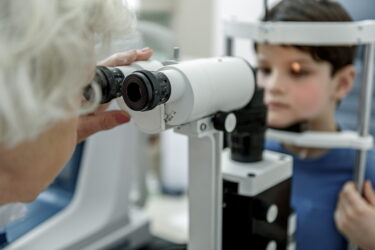
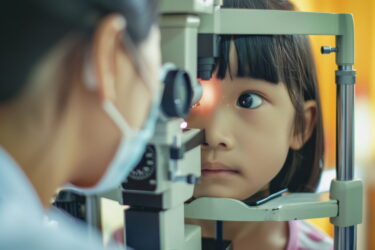
Increasing outdoor time for children may potentially reduce the onset and progression of myopia, according to a study, although further research is needed to confirm the long-term benefits and effectiveness of such interventions.

The review evaluated interventions designed to boost outdoor time among primary school children aged 6 to 9 years. The systematic review of 5 randomized controlled trials covered a total of 10,733 participants. The interventions ranged from integrating outdoor classroom activities to using motivational tools and electronic information to encourage children to spend more time outside.

The findings indicate that children in the intervention groups showed less progression towards myopia compared to control groups. Over 2 years, a clinically significant reduction in the change in refractive error (mean difference of 0.13 dioptres) was observed. The incidence of myopia also decreased, with intervention groups showing a 4.2% lower rate than control groups at the 2-year mark. In addition, smaller increases in axial length, a factor related to myopia progression, were noted in the intervention groups.

However, the study acknowledged the limitations of the evidence, with 95% confidence intervals often encompassing both potential benefits and harms. At one and three years, the certainty of evidence was low, making definitive conclusions challenging.

Reference
Kido A, Miyake M, Watanabe N. Interventions to increase time spent outdoors for preventing incidence and progression of myopia in children. Cochrane Database Syst Rev. 2024 Jun 12;6(6):CD013549. doi: 10.1002/14651858.CD013549.pub2. PMID: 38864362; PMCID: PMC11167692.

Share

Related Content

  • Myopia

Switching myopia-control spectacles may temporarily slow progression in some children

  • Retina Care 360

Cost analysis shows greater losses for pediatric versus adult retinal detachment repairs

  • Glaucoma

PreserFlo MicroShunt shows short-term benefit in refractory childhood glaucoma

  • Inherited Retinal Disease

Low-dose atropine shows limited effect on myopia progression in children with IRDs

  • Conference Roundup

EVO ICL surgery now FDA-approved for older patients

  • Myopia

Efficacy of low-dose atropine for myopia varies by ethnicity, analysis finds

Share

Editor's Picks

  • Neurotrophic Keratitis

Topical insulin shows real-world benefit in neurotrophic keratopathy

  • Retina

GLP-1 RAs have protective effects against AMD

  • Retina

Four-month injection intervals appear safe for long-term stable nAMD

Advisory Board

Saad Ahmad, MD

Ahmad A. Aref, MD, MBA

Roomasa Channa, MD

David Chow, MD, FRCS(C)

Sally L. Baxter, MD, MSc

Neel R. Desai, MD

Nadia Haqqie, MD

Simon Fung, MD, FRCOphth

Sumit Garg, MD

Ross Lakhanpal, MD, FACS

Sanjai Jalaj, MD

Anton Kolomeyer, MD, PhD

Shan Lin, MD

Steven R. Sarkisian, Jr., MD

See All
Optometry360 Logo

Ophthalmology 360® is a dynamic digital platform dedicated to advancing the field of eye care.

Get to Know Us

  • Home
  • About Us
  • Media Partners
  • Advertising Policy
  • Our Advisory Board

Sign up for our Newsletter

Sign up for our Newsletter to get our newest articles instantly!

  • Privacy Policy
  • Advertising Policy
  • Medical Disclaimer
IHM Logo

2026 Ophthalmology 360 is a trademark of International Healthcare Media, LLC. All rights reserved

  • MedJournal360 Icon
  • RareDisease360 Icon
  • MyHero360 Icon
  • Optometry360 Icon
  • Ophtalmology360 Icon