Optometry360 Logo White
  • Conferences
  • Videos
  • Podcasts
  • Quizzes
  • About
    • About Us – Mission
    • Content Awards
    • Media Partners
    • Business Team
    • Brand Ambassadors
    • Industry Council
    • Advisory Board

What are you looking for?

  • Anterior Segment
  • Cataract
  • Cornea and External Disease
  • Diabetic Macular Edema
  • Dry Eye
  • Early Onset Cataracts
  • Exclusives
  • General
  • Geographic Atrophy
  • Glaucoma
  • Industry News
  • Inherited Retinal Disease
  • IOLs
  • Neurotrophic Keratitis
  • Ocular Surface Disease
  • Oculoplastics
  • Optometry
  • Pediatrics
  • Practice Management
  • Presbyopia
  • Refractive Surgery/Vision Correction
  • Residents & Young Ophthalmologists
  • Retina
  • Retina Care 360
  • Retinopathy of Prematurity
  • Spotlight Series
  • The Interventional Glaucoma Project
  • The Ophthalmic Project
  • Trending Topics
Spotlight - The Future of Cryopreserved Amniotic Membrane in Oculoplastic Surgery
Optometry360 Logo White
  • Conferences
  • Videos
  • Podcasts
  • Quizzes
  • About
    • About Us – Mission
    • Content Awards
    • Media Partners
    • Business Team
    • Brand Ambassadors
    • Industry Council
    • Advisory Board
Home > Retina > Dopamine antagonists linked to higher risk of exudative AMD conversion
  • Retina

Dopamine antagonists linked to higher risk of exudative AMD conversion

Kelsey Moroz

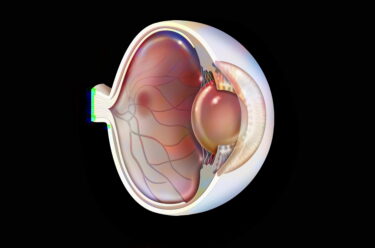
Long-term use of dopamine antagonist therapies may increase the risk of progression from nonexudative to exudative age-related macular degeneration (AMD), according to a study.

The study included 558 eyes from 354 patients diagnosed with nonexudative AMD and followed them for at least 1 year. After controlling for factors such as age, sex, smoking history, hypertension, and use of Age-Related Eye Disease Study (AREDS) or AREDS2 prescription, the study found that patients on dopamine antagonists for at least 3 years had a significantly higher likelihood of developing exudative AMD (P = 0.005).

The researchers concluded that “These findings warrant further investigation of dopamine signaling in conversion to exudative AMD.”

Reference
Weng PJ, Morgan R, Grewal DS, et al. Possible Association Between Dopamine Antagonists and Increased Conversion to Exudative Age-Related Macular Degeneration. J Vitreoretin Dis. 2025;24741264251330338. doi: 10.1177/24741264251330338. Epub ahead of print. PMID: 40191068; PMCID: PMC11966630.

Share

Related Content

  • Retina

Biosimilar aflibercept-ayyh demonstrates favorable real-world safety and efficacy

  • Retina

Switching to aflibercept 8 mg improved anatomical outcomes in previously treated nAMD

Neovascular Age-related Macular Degeneration: Emerging Therapies With an EYE On Treatment Frequency
  • Retina

Treat-and-extend aflibercept 8 mg improves outcomes in nAMD over 1 year

  • Retina

Intravitreal therapy in nAMD linked to lower depression and anxiety risk

  • Retina

Alternative aflibercept regimens maintained efficacy in wet AMD

  • Retina

Nanoscope Therapeutics is working on the potential first-ever optogenetic therapy for retinal diseases

Share

Editor's Picks

  • Neurotrophic Keratitis

Topical insulin shows real-world benefit in neurotrophic keratopathy

  • Retina

GLP-1 RAs have protective effects against AMD

  • Retina

Four-month injection intervals appear safe for long-term stable nAMD

Advisory Board

Saad Ahmad, MD

Ahmad A. Aref, MD, MBA

Roomasa Channa, MD

David Chow, MD, FRCS(C)

Sally L. Baxter, MD, MSc

Neel R. Desai, MD

Nadia Haqqie, MD

Simon Fung, MD, FRCOphth

Sumit Garg, MD

Ross Lakhanpal, MD, FACS

Sanjai Jalaj, MD

Anton Kolomeyer, MD, PhD

Shan Lin, MD

Steven R. Sarkisian, Jr., MD

See All
Optometry360 Logo

Ophthalmology 360® is a dynamic digital platform dedicated to advancing the field of eye care.

Get to Know Us

  • Home
  • About Us
  • Media Partners
  • Advertising Policy
  • Our Advisory Board

Sign up for our Newsletter

Sign up for our Newsletter to get our newest articles instantly!

  • Privacy Policy
  • Advertising Policy
  • Medical Disclaimer
IHM Logo

2026 Ophthalmology 360 is a trademark of International Healthcare Media, LLC. All rights reserved

  • MedJournal360 Icon
  • RareDisease360 Icon
  • MyHero360 Icon
  • Optometry360 Icon
  • Ophtalmology360 Icon