Optometry360 Logo White
  • Conferences
  • Videos
  • Podcasts
  • Quizzes
  • About
    • About Us – Mission
    • Content Awards
    • Media Partners
    • Business Team
    • Brand Ambassadors
    • Industry Council
    • Advisory Board

What are you looking for?

  • Anterior Segment
  • Cataract
  • Cornea and External Disease
  • Diabetic Macular Edema
  • Dry Eye
  • Early Onset Cataracts
  • Exclusives
  • General
  • Geographic Atrophy
  • Glaucoma
  • Industry News
  • Inherited Retinal Disease
  • IOLs
  • Neurotrophic Keratitis
  • Ocular Surface Disease
  • Oculoplastics
  • Optometry
  • Pediatrics
  • Practice Management
  • Presbyopia
  • Refractive Surgery/Vision Correction
  • Residents & Young Ophthalmologists
  • Retina
  • Retina Care 360
  • Retinopathy of Prematurity
  • Spotlight Series
  • The Interventional Glaucoma Project
  • The Ophthalmic Project
  • Trending Topics
Spotlight - The Future of Cryopreserved Amniotic Membrane in Oculoplastic Surgery
Optometry360 Logo White
  • Conferences
  • Videos
  • Podcasts
  • Quizzes
  • About
    • About Us – Mission
    • Content Awards
    • Media Partners
    • Business Team
    • Brand Ambassadors
    • Industry Council
    • Advisory Board
Home > Retina > Four-year review shows endophthalmitis remains a rare complication of intravitreal injections
  • Retina

Four-year review shows endophthalmitis remains a rare complication of intravitreal injections

Kelsey Moroz

Key Takeaways

  1. Endophthalmitis after intravitreal injection remained rare, with a cumulative incidence of 0.0087% across 115,367 injections from 2021 to 2024, consistent with previously reported rates at the same institution.
  2. No significant differences in endophthalmitis rates were found between anti-VEGF agents, despite changes in medication use over time, including increased faricimab and high-dose aflibercept use.

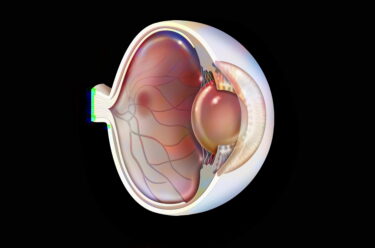
Endophthalmitis remains a rare complication of intravitreal injections despite shifts in anti-VEGF treatment patterns, according to a study.

Researchers conducted a retrospective case series of all patients who underwent intravitreal injection at the University of Miami’s Bascom Palmer Eye Institute from January 1, 2021, through December 31, 2024. Across 115,367 injections, 10 cases of endophthalmitis were identified, for a cumulative incidence of 0.0087%.

Annual rates were 0.010% in 2021, with 3 cases among 29,802 eyes; 0.014% in 2022, with 4 cases among 28,767 eyes; 0.004% in 2023, with 2 cases among 29,249 eyes; and 0.004% in 2024, with 1 case among 27,549 eyes.

During the study period, use of ranibizumab declined, while faricimab use increased. A slight rise in aflibercept use was also seen after approval of the 8 mg high-dose formulation in 2023. However, investigators found no significant differences in endophthalmitis rates between medications.

Among vitreous cultures, half were negative. Positive cultures included Streptococcus mitis/oralis, Staphylococcus aureus, Granulicatella adiacens, Staphylococcus epidermidis, and Abiotrophia defectiva, with each organism identified in one case.

After treatment, mean best-corrected visual acuity at last follow-up was 1.42 logMAR, equivalent to approximately 20/526, with outcomes ranging from 20/20 vision to no light perception.

Reference
Rohowetz LJ, Snow Z, Townsend JH, et al; or the Endophthalmitis Injection Study Group. Endophthalmitis associated with intravitreal injection: rates, culture results, and visual acuity outcomes. Retina. 2026;doi: 10.1097/IAE.0000000000004855. Epub ahead of print. PMID: 41989475.

Share

Related Content

  • Retina

Biosimilar aflibercept-ayyh demonstrates favorable real-world safety and efficacy

  • Retina

Switching to aflibercept 8 mg improved anatomical outcomes in previously treated nAMD

Neovascular Age-related Macular Degeneration: Emerging Therapies With an EYE On Treatment Frequency
  • Retina

Treat-and-extend aflibercept 8 mg improves outcomes in nAMD over 1 year

  • Retina

Intravitreal therapy in nAMD linked to lower depression and anxiety risk

  • Retina

Alternative aflibercept regimens maintained efficacy in wet AMD

  • Retina

Nanoscope Therapeutics is working on the potential first-ever optogenetic therapy for retinal diseases

Share

Editor's Picks

  • Neurotrophic Keratitis

Topical insulin shows real-world benefit in neurotrophic keratopathy

  • Retina

GLP-1 RAs have protective effects against AMD

  • Retina

Four-month injection intervals appear safe for long-term stable nAMD

Advisory Board

Saad Ahmad, MD

Ahmad A. Aref, MD, MBA

Roomasa Channa, MD

David Chow, MD, FRCS(C)

Sally L. Baxter, MD, MSc

Neel R. Desai, MD

Nadia Haqqie, MD

Simon Fung, MD, FRCOphth

Sumit Garg, MD

Ross Lakhanpal, MD, FACS

Sanjai Jalaj, MD

Anton Kolomeyer, MD, PhD

Shan Lin, MD

Steven R. Sarkisian, Jr., MD

See All
Optometry360 Logo

Ophthalmology 360® is a dynamic digital platform dedicated to advancing the field of eye care.

Get to Know Us

  • Home
  • About Us
  • Media Partners
  • Advertising Policy
  • Our Advisory Board

Sign up for our Newsletter

Sign up for our Newsletter to get our newest articles instantly!

  • Privacy Policy
  • Advertising Policy
  • Medical Disclaimer
IHM Logo

2026 Ophthalmology 360 is a trademark of International Healthcare Media, LLC. All rights reserved

  • MedJournal360 Icon
  • RareDisease360 Icon
  • MyHero360 Icon
  • Optometry360 Icon
  • Ophtalmology360 Icon