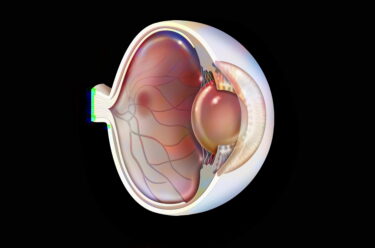


In neovascular age-related macular degeneration (nAMD), persistent retinal fluid is common even with anti-VEGF treatment, with nearly 18% of patients never achieving complete fluid resolution, according to a study.
The meta-analysis evaluated 50 randomized trials and prospective research on patients receiving intravitreal anti-VEGF injections. The prevalence of retinal fluid was 41.4% at 1 year and 47.4% at 2 years. The median time to the first resolution of fluid was approximately 10 weeks. Researchers noted that the cure modeling predicted that 17.6% of patients may never experience complete fluid resolution despite ongoing treatment.
The study also highlighted the correlation between retinal fluid and visual acuity. Eyes with subretinal fluid had significantly better visual outcomes than those without subretinal fluid, while those with intraretinal fluid showed poorer visual acuity. At 12 months, eyes with subretinal fluid showed an improvement of 2.39 letters in best-corrected visual acuity, while eyes with intraretinal fluid had a decline of -5.38 letters. This trend persisted with subretinal fluid-associated better best-corrected visual acuity at long-term follow-up (over 60 months).
Reference
Ting Yap DW, Jyn Tan BK, Yi Chong KT, et al. Persistence of Retinal Fluid after Anti-VEGF treatment for neovascular age-related macular degeneration: A Systematic Review and Meta-Analysis. Ophthalmol Retina. 2025;S2468-6530(25)00012-0. doi: 10.1016/j.oret.2025.01.010. Epub ahead of print. PMID: 39842717.
Related Content