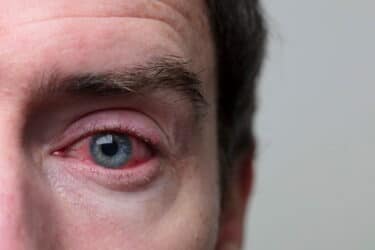
The first patient in the United States has been dosed in a Phase 3 clinical trial evaluating cenegermin-bkbj ophthalmic solution for the treatment of persistent corneal epithelial defect (PCED), according to a press release from Dompé.
The multicenter, randomized, double-masked study, known as Orunea, is comparing cenegermin-bkbj with placebo to assess its ability to achieve complete healing of PCED.
PCED occurs when a corneal epithelial defect persists for more than two weeks despite standard treatment. The condition can cause pain and blurred vision and may lead to severe infection, permanent scarring, or partial or complete vision loss if left untreated. Fewer than 200,000 people in the United States are affected by the rare disease.
The Phase 3 trial is expected to enroll approximately 150 adults with PCED. The primary endpoint is the proportion of patients who achieve complete epithelial healing of the cornea.
Dompé said the study is intended to evaluate whether targeting the biological mechanisms involved in epithelial repair can provide a clinically meaningful benefit for patients with limited treatment options. Cenegermin-bkbj is currently investigational for PCED, and its safety and efficacy for this indication have not been established or approved by any regulatory authority.
Read the full press release here.
Related Content