
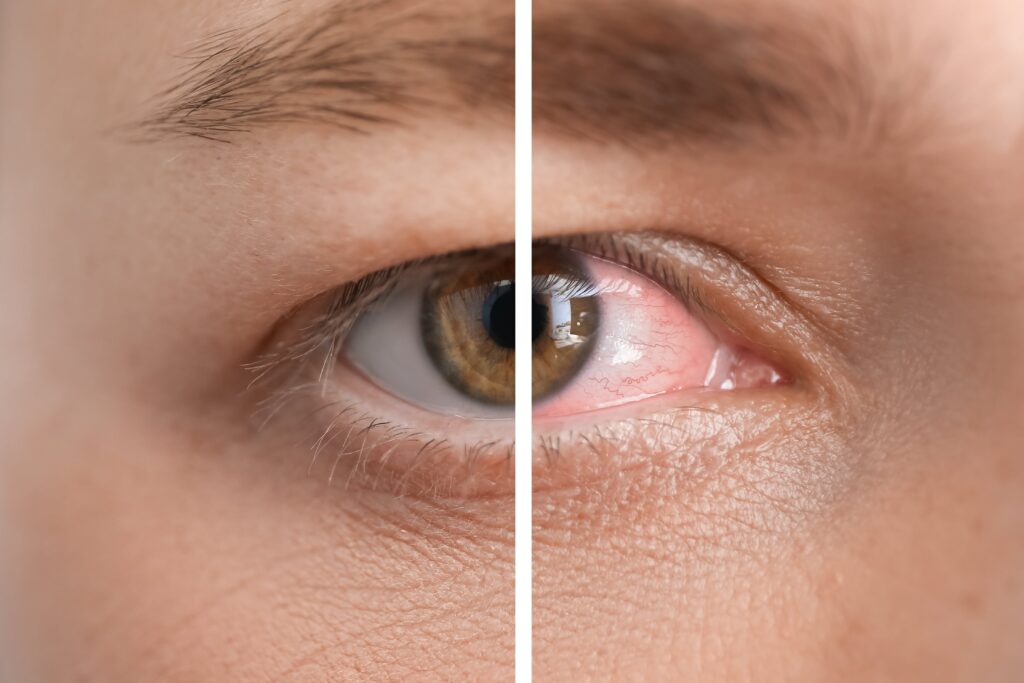
Both low-level light therapy (LLLT) and intense pulsed light (IPL) therapy are effective in treating Meibomian gland-related dry eye, but IPL may better improve symptoms and tear film stability compared to LLLT, according to a study.
The quasi-experimental study included 36 patients receiving either IPL (E-Eye machine) or LLLT (Equinox Eye machine) therapy. Each group underwent 3 treatment sessions over 6 weeks, with assessments before the first session and 2 weeks after the final session. Researchers evaluated dry eye symptoms using the Ocular Surface Disease Index (OSDI), non-invasive tear film break-up time (NIBUT), and Meiboscore.
Results showed significant improvement in both groups, with reductions in OSDI scores and Meibomian gland disease severity (P < 0.001), as well as an increase in tear film stability (P < 0.001). However, IPL demonstrated superior efficacy over LLLT in improving all measured parameters.
The study suggests that both IPL and LLLT are effective treatment options for Meibomian gland-related dry eye, with IPL providing better overall outcomes.
Reference
Hassan A, Parveen S, Sameen M, et al. Comparison of Efficacy of Low-Level Light Therapy and Intense Pulsed Light Therapy in Patients with Dry Eyes. J Coll Physicians Surg Pak. 2025;35(3):313-317. doi: 10.29271/jcpsp.2025.03.313. PMID: 40055165.
Related Content