
Optometry360 Logo White
  • Conferences
  • Videos
  • Podcasts
  • Quizzes
  • About
    • About Us – Mission
    • Content Awards
    • Media Partners
    • Business Team
    • Brand Ambassadors
    • Industry Council
    • Advisory Board

What are you looking for?

  • Anterior Segment
  • Cataract
  • Cornea and External Disease
  • Diabetic Macular Edema
  • Dry Eye
  • Early Onset Cataracts
  • Exclusives
  • General
  • Geographic Atrophy
  • Glaucoma
  • Industry News
  • Inherited Retinal Disease
  • IOLs
  • Neurotrophic Keratitis
  • Ocular Surface Disease
  • Oculoplastics
  • Optometry
  • Pediatrics
  • Practice Management
  • Presbyopia
  • Refractive Surgery/Vision Correction
  • Residents & Young Ophthalmologists
  • Retina
  • Retina Care 360
  • Retinopathy of Prematurity
  • Spotlight Series
  • The Interventional Glaucoma Project
  • The Ophthalmic Project
  • Trending Topics
Spotlight - The Future of Cryopreserved Amniotic Membrane in Oculoplastic Surgery
Optometry360 Logo White
  • Conferences
  • Videos
  • Podcasts
  • Quizzes
  • About
    • About Us – Mission
    • Content Awards
    • Media Partners
    • Business Team
    • Brand Ambassadors
    • Industry Council
    • Advisory Board
Home > Glaucoma > EyeValve device lowers IOP and maintains control for 9 months in first-in-human study
  • Glaucoma

EyeValve device lowers IOP and maintains control for 9 months in first-in-human study

Ophthalmology 360

Key Takeaways

  1. The eyeValve reduced mean IOP by approximately 53% and maintained pressure within the physiological range for up to 9 months.
  2. No cases of hypotony, overdrainage, or sustained postoperative IOP elevation were reported, supporting the device's safety and pressure-regulating performance.

A novel miniaturized glaucoma drainage device, known as the eyeValve, demonstrated sustained intraocular pressure (IOP) control and a favorable safety profile in a first-in-human feasibility study involving 6 blind eyes with end-stage glaucoma and uncontrolled IOP.

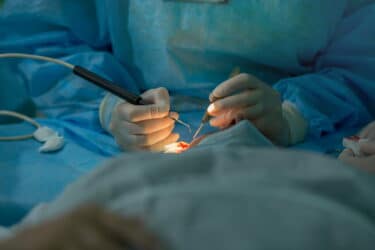
In this prospective single-arm pilot study, investigators implanted the eyeValve into a partial-thickness intrascleral pocket and connected it to a distal silicone drainage plate (eyePlate) for orbital drainage. No mitomycin C was used. Patients were followed through 9 months after surgery.

Device implantation was successful in all eyes. The device was successfully implanted in all eyes and reduced mean IOP by approximately 53%, from 30.1 mmHg at baseline to 14.3 mmHg at 9 months, while maintaining IOP within the physiological range throughout follow-up.

No cases of hypotony, overdrainage, or sustained postoperative IOP elevation suggestive of bleb encapsulation were reported. Two eyes experienced transient iris-related tube occlusion. IOP control was maintained without glaucoma medication in 50% of eyes without tube obstruction during follow-up.

The investigators concluded that the eyeValve was feasible to implant, appeared safe, and provided sustained IOP regulation for up to 9 months without hypotony or hypertensive-phase behavior. They noted that larger studies are needed to further evaluate the device.

Reference
Rafiei S, Gerber JM, Bigler S, et al. First-in-human implantation of a self-adjustable glaucoma drainage device (eyeValve): safety and performance in blind eyes. Graefes Arch Clin Exp Ophthalmol. 2026;doi: 10.1007/s00417-026-07278-1. Epub ahead of print. PMID: 42213132.

Share

Related Content

  • Glaucoma

Expanding the glaucoma treatment landscape with FLIGHT technology

  • Glaucoma

Geographic differences in glaucoma care raise concerns about equitable access

  • Glaucoma

Study finds significant IOP reductions with iDose TR and MIGS procedures

  • Glaucoma

GLP-1 therapies may offer potential benefits in glaucoma

  • Glaucoma

PreserFlo MicroShunt shows short-term benefit in refractory childhood glaucoma

  • Glaucoma

iStent adoption rises as surgeons treat glaucoma earlier

Share

Editor's Picks

  • Neurotrophic Keratitis

Topical insulin shows real-world benefit in neurotrophic keratopathy

  • Retina

GLP-1 RAs have protective effects against AMD

  • Retina

Four-month injection intervals appear safe for long-term stable nAMD

Advisory Board

Saad Ahmad, MD

Ahmad A. Aref, MD, MBA

Roomasa Channa, MD

David Chow, MD, FRCS(C)

Sally L. Baxter, MD, MSc

Neel R. Desai, MD

Nadia Haqqie, MD

Simon Fung, MD, FRCOphth

Sumit Garg, MD

Ross Lakhanpal, MD, FACS

Sanjai Jalaj, MD

Anton Kolomeyer, MD, PhD

Shan Lin, MD

Steven R. Sarkisian, Jr., MD

See All
Optometry360 Logo

Ophthalmology 360® is a dynamic digital platform dedicated to advancing the field of eye care.

Get to Know Us

  • Home
  • About Us
  • Media Partners
  • Advertising Policy
  • Our Advisory Board

Sign up for our Newsletter

Sign up for our Newsletter to get our newest articles instantly!

  • Privacy Policy
  • Advertising Policy
  • Medical Disclaimer
IHM Logo

2026 Ophthalmology 360 is a trademark of International Healthcare Media, LLC. All rights reserved

  • MedJournal360 Icon
  • RareDisease360 Icon
  • MyHero360 Icon
  • Optometry360 Icon
  • Ophtalmology360 Icon