Optometry360 Logo White
  • Conferences
  • Videos
  • Podcasts
  • Quizzes
  • About
    • About Us – Mission
    • Content Awards
    • Media Partners
    • Business Team
    • Brand Ambassadors
    • Industry Council
    • Advisory Board

What are you looking for?

  • Anterior Segment
  • Cataract
  • Cornea and External Disease
  • Diabetic Macular Edema
  • Dry Eye
  • Early Onset Cataracts
  • Exclusives
  • General
  • Geographic Atrophy
  • Glaucoma
  • Industry News
  • Inherited Retinal Disease
  • IOLs
  • Neurotrophic Keratitis
  • Ocular Surface Disease
  • Oculoplastics
  • Optometry
  • Pediatrics
  • Practice Management
  • Presbyopia
  • Refractive Surgery/Vision Correction
  • Residents & Young Ophthalmologists
  • Retina
  • Retina Care 360
  • Retinopathy of Prematurity
  • Spotlight Series
  • The Interventional Glaucoma Project
  • The Ophthalmic Project
  • Trending Topics
Spotlight - The Future of Cryopreserved Amniotic Membrane in Oculoplastic Surgery
Optometry360 Logo White
  • Conferences
  • Videos
  • Podcasts
  • Quizzes
  • About
    • About Us – Mission
    • Content Awards
    • Media Partners
    • Business Team
    • Brand Ambassadors
    • Industry Council
    • Advisory Board
Home > Neurotrophic Keratitis > First reported case links COVID-19 to keratitis after corneal neurotization surgery
  • Neurotrophic Keratitis

First reported case links COVID-19 to keratitis after corneal neurotization surgery

Ophthalmology 360

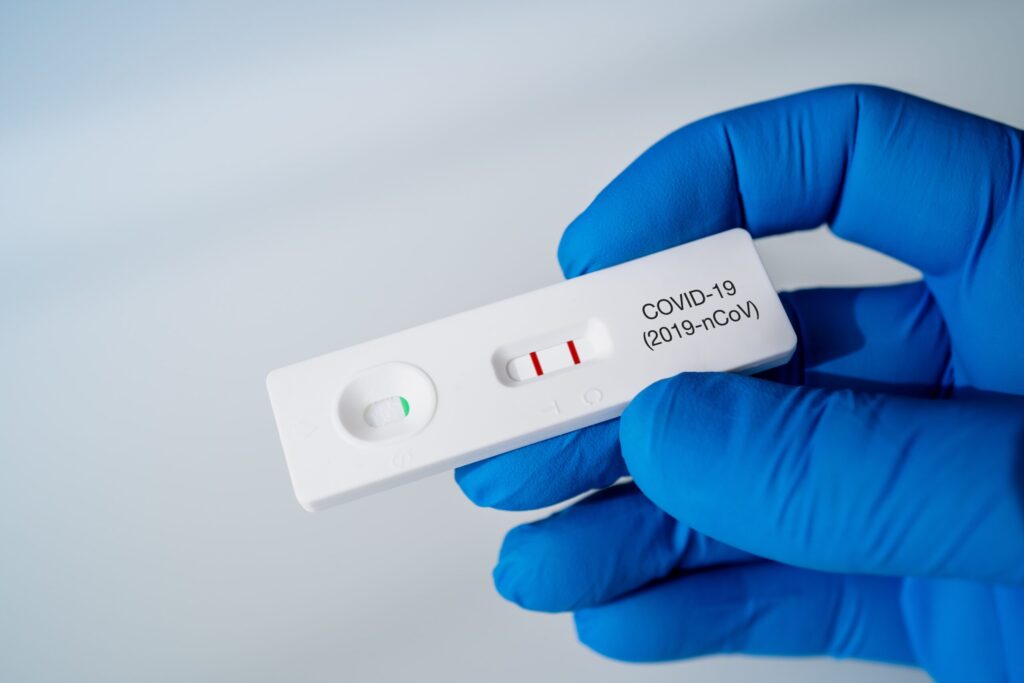
A newly published case report has described what is believed to be the first documented instance of severe keratitis linked to SARS-CoV-2 infection following minimally invasive corneal neurotization (MICN).

The case involved a 59-year-old woman with neurotrophic keratopathy (NK) secondary to facial paralysis after neurosurgery. She underwent MICN combined with amniotic membrane transplantation, which initially led to gradual recovery of corneal sensation and healing of epithelial defects.

However, 13 months later the patient contracted COVID-19 and developed a corneal ulcer in the operated eye. Diagnostic testing found recurrent corneal anesthesia and corneal nerve loss, but no infectious pathogens. After a lack of response to broad-spectrum antiviral and antibacterial therapy, COVID-19–induced NK was diagnosed by exclusion.

Treatment included prolonged medical therapy, repeat amniotic membrane transplantation, and temporary tarsorrhaphy. Over 2 years of follow-up, the patient’s cornea eventually healed with evidence of nerve regeneration and restoration of sensation.

According to the authors, this case emphasizes the importance of thorough differential diagnosis in post-MICN keratitis, particularly when infectious causes are not identified.

Reference
Zhuang S, Qi Q, Zhang J, et al. Corneal neurotization meets COVID-19: a case report of minimally invasive corneal neurotization complicated by COVID-19-related keratitis. J Ophthalmic Inflamm Infect. 2025;15(1):60. doi: 10.1186/s12348-025-00521-6. PMID: 40783656; PMCID: PMC12335426.

Share

Related Content

  • Neurotrophic Keratitis

Shelf-stable amniotic membrane improved outcomes in early-stage neurotrophic keratopathy

  • Conference Roundup

Cryopreserved amniotic membrane significantly improves ocular surface integrity in patients with severe keratoconjunctivitis sicca and neurotrophic keratopathy

  • Conference Roundup

CAM360 with a collagen shield provides rapid epithelial healing with better tolerability and safety than when used with bandage contact lenses

  • Neurotrophic Keratitis

Early detection and targeted treatment strategies are critical for optimal outcomes in neurotrophic keratitis

  • Neurotrophic Keratitis

Amniotic membrane improves severe autoimmune-related KCS and NK outcomes

  • Neurotrophic Keratitis

Systemic abnormalities commonly found in neurotrophic keratopathy patients, study finds

Share

Editor's Picks

  • Neurotrophic Keratitis

Topical insulin shows real-world benefit in neurotrophic keratopathy

  • Retina

GLP-1 RAs have protective effects against AMD

  • Retina

Four-month injection intervals appear safe for long-term stable nAMD

Advisory Board

Saad Ahmad, MD

Ahmad A. Aref, MD, MBA

Roomasa Channa, MD

David Chow, MD, FRCS(C)

Sally L. Baxter, MD, MSc

Neel R. Desai, MD

Nadia Haqqie, MD

Simon Fung, MD, FRCOphth

Sumit Garg, MD

Ross Lakhanpal, MD, FACS

Sanjai Jalaj, MD

Anton Kolomeyer, MD, PhD

Shan Lin, MD

Steven R. Sarkisian, Jr., MD

See All
Optometry360 Logo

Ophthalmology 360® is a dynamic digital platform dedicated to advancing the field of eye care.

Get to Know Us

  • Home
  • About Us
  • Media Partners
  • Advertising Policy
  • Our Advisory Board

Sign up for our Newsletter

Sign up for our Newsletter to get our newest articles instantly!

  • Privacy Policy
  • Advertising Policy
  • Medical Disclaimer
IHM Logo

2026 Ophthalmology 360 is a trademark of International Healthcare Media, LLC. All rights reserved

  • MedJournal360 Icon
  • RareDisease360 Icon
  • MyHero360 Icon
  • Optometry360 Icon
  • Ophtalmology360 Icon