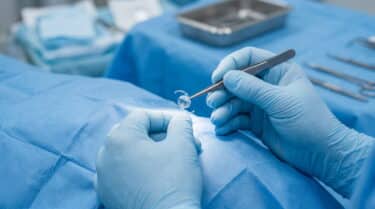
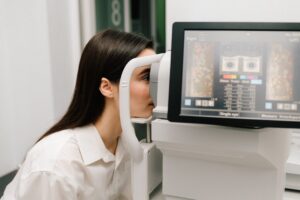
Ophthalmologic treatments, even in end-of-life settings, can significantly improve quality of life, according to a recent review examining clinical and ethical considerations for hospice patients.
Key findings include:
-
Cataract surgery: Demonstrated to be cost-effective and can substantially improve vision and overall quality of life in hospice patients.
-
Age-related macular degeneration therapy: Ongoing treatments, such as intravitreal injections, can provide visual benefits within weeks, helping maintain functional vision.
-
Retinal detachment repair: Though complex, successful interventions can restore vision and support independence.
-
Palliative glaucoma management: Individualized intraocular pressure targets and laser therapy can reduce treatment burden while maintaining comfort.
-
Painful blind eye management: Options include retrobulbar chlorpromazine or alcohol injections; enucleation or evisceration may be considered for persistent pain.
-
Benign or surface ocular tumors and corneal/anterior segment diseases: Often managed with conservative, comfort-focused measures to reduce symptoms.
The authors concluded that ophthalmologic procedures should be considered viable interventions in hospice care, stating, “Restoration of vision contributes meaningfully to the quality of life and deserves thoughtful inclusion in care planning.”
Shloush M, Eleff A, Eleff E. Ophthalmology Considerations in End-of-Life Care. Cureus. 2025;17(10):e94396. doi: 10.7759/cureus.94396. PMID: 41230290; PMCID: PMC12604606.
Related Content