IOL exchange shows highest success for dissatisfaction after presbyopia-correcting lens surgery

Key Takeaways
- IOL exchange and laser vision correction were the most effective treatments for dissatisfaction after presbyopia-correcting IOL surgery.
- Outcomes after IOL exchange were better when the posterior capsule remained intact, supporting delayed Nd:YAG capsulotomy.
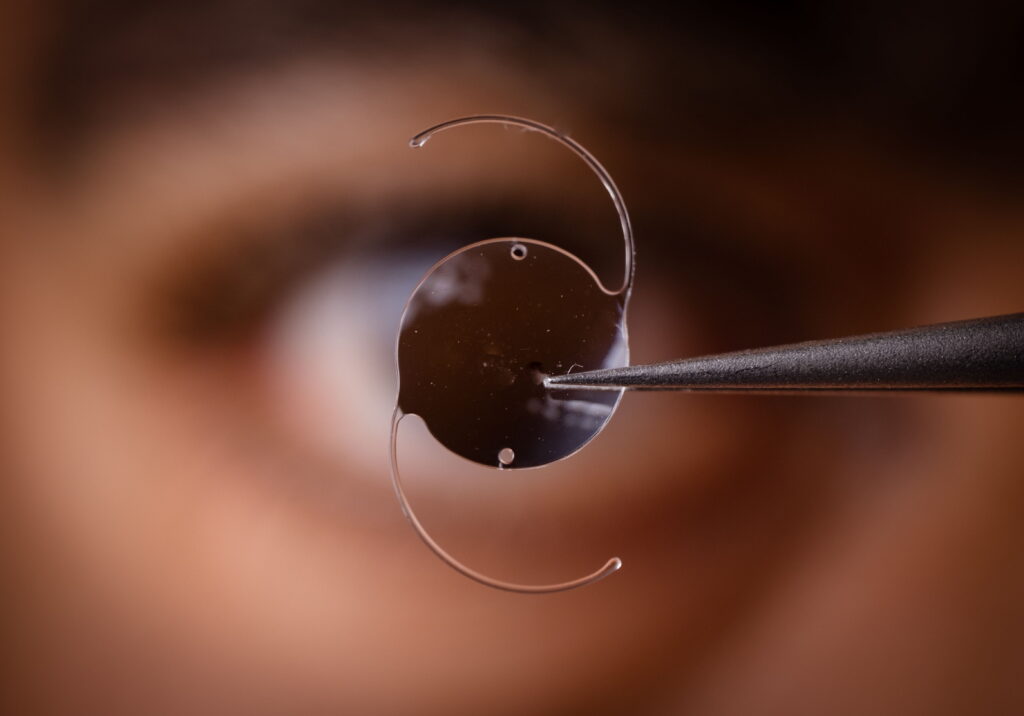
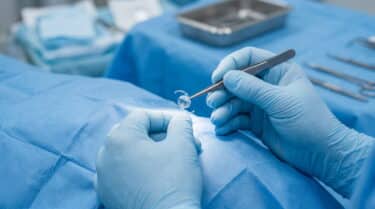
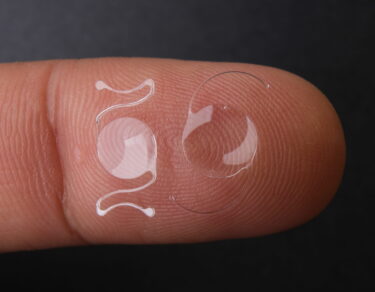
Patients dissatisfied after presbyopia-correcting intraocular lens (IOL) implantation were most likely to improve with intraocular lens exchange or laser vision correction (LVC), according to a study.
The analysis included patients implanted with trifocal, diffractive extended depth of focus (EDOF), and non-diffractive EDOF lenses. The most common causes of dissatisfaction were blurred corrected vision, reported in 67.1% of eyes, and photic phenomena, reported in 48.6%.
Among treatment approaches, IOL exchange had the highest improvement rate at 94%, followed by LVC at 72%. In comparison, Nd:YAG capsulotomy improved symptoms in 18.3% of cases, spectacle correction in 15.1%, and dry eye treatment in 5.2%.
Outcomes after IOL exchange were better in eyes with intact posterior capsules. In this group, 83.3% of eyes gained at least 1 line of corrected distance visual acuity, compared with none of the eyes with open posterior capsules. Eyes with open capsules were also more likely to lose at least 1 line of corrected distance visual acuity.
The researchers concluded that IOL exchange and LVC were the most effective strategies for managing dissatisfaction after presbyopia-correcting IOL surgery. They recommended delaying Nd:YAG capsulotomy until other possible causes of dissatisfaction have been ruled out.
Reference
Susanna BN, El Salloukh NA, Hammoud B, et al. Management of Patient Dissatisfaction After Presbyopia-Correcting Intraocular Lens Implantation. J Refract Surg. 2026;42(5):e427-e434. doi: 10.3928/1081597X-20260220-02. Epub 2026 May 1. PMID: 42113930.
Related Content