By Eric Donnenfeld, MD, and Jason Bacharach, MD
The contents of this article are informational only and are not intended to be a substitute for professional medical advice, diagnosis, or treatment recommendations. This editorial presents the views and experiences of the author and does not reflect the opinions or recommendations of the publisher of Ophthalmology 360.
Dry eye disease (DED) is associated with a wide range of contributing factors, including female sex, older age, menopause, and lifestyle influences such as prolonged screen time, exposure to ocular irritants, contacts lens use, and underlying systemic inflammatory diseases (eg, Sjögren’s syndrome, rheumatoid arthritis).1-4 For most patients, the origins of DED are multifactorial, with several overlapping drivers.1
Despite variability in triggers, many of the underlying pathogenic processes are shared among etiologies, including the activation and perpetuation of inflammation.1,5 DED has been described as a “vicious cycle of inflammation,” wherein ocular surface inflammation is both a cause and consequence of DED.5 In this cycle, ocular surface stress from intrinsic and/or extrinsic sources initiates an inflammatory cascade that begins with proinflammatory cytokine release (see Figure).5,6 These cytokines activate antigen-presenting cells (APCs), which migrate to regional lymph nodes where they activate naïve T cells. The activated T cells migrate to the ocular surface, where they induce epithelial damage and tear film dysfunction. At the ocular surface, T cells may undergo secondary activation through interactions with local APCs, helping to sustain their effector function and perpetuate ocular surface inflammation.

Figure. Cycle of immune response and self-perpetuation in dry eye disease.5,6
APC, antigen-presenting cell; IFN-γ, interferon gamma; IL, interleukin; TNFα, tumor necrosis factor α.
Given the role of inflammation in the pathogenesis of DED, agents with immunosuppressive or immunomodulatory effects, including topical corticosteroids (for short-term use), the calcineurin inhibitor cyclosporin A (cyclosporine), and the lymphocyte function-associated antigen-1 (LFA-1) antagonist lifitegrast, are widely used in conjunction with lifestyle modification and elimination of ocular irritants as part of a DED management strategy.1
As a calcineurin inhibitor, cyclosporine reduces inflammation in DED by inhibiting T-cell activation and the subsequent transcription and release of proinflammatory cytokines.5 Cyclosporine acts within the T cell, binding to cyclophilin, thereby preventing dephosphorylation of nuclear factor of activated T cells by calcineurin and the downstream transcription of proinflammatory cytokines.7 Although cyclosporine is widely used in the treatment of DED, a 2019 Cochrane systematic review reported that clinical trial data are inconsistent regarding its effects on ocular discomfort and ocular surface and tear film measures.8
Xiidra® (lifitegrast ophthalmic solution 5.0%)9 is a first-in-class LFA-1 antagonist developed to act on several steps that propagate ocular surface inflammation in DED, including activation of naïve T cells by APCs, ocular surface migration of T cells, sustained/secondary activation of T cells, and recruitment and retention of T cells within the conjunctival epithelium, ultimately reducing the release of proinflammatory cytokines.5,6 The ability of Xiidra to act on both naïve and activated T cells is believed to contribute to its rapid amelioration of ocular surface inflammation. In clinical trials, measurable improvements in DED symptoms were observed as early as 2 weeks after starting Xiidra treatment.10-12
Xiidra was approved for treatment of the signs and symptoms of DED by the US Food and Drug Administration in 2016.9 It has demonstrated efficacy and safety for the treatment of DED in a variety of patient populations and clinical settings, as described in this article.
Xiidra Experience From Clinical Trials
In the OPUS series of phase 3 clinical trials, Xiidra administered twice daily improved dry eye signs and symptoms compared with vehicle in adults with DED.10-12 Xiidra had a rapid onset of effect, with reductions in patient-reported symptoms of DED (eg, eye dryness) as early as 2 weeks after initiating treatment, with continued improvement10-12 and inferior staining reduction10,12 at 12 weeks. Xiidra was well tolerated, and the majority of ocular treatment-emergent adverse events were mild or moderate in severity.10-12
The overall Xiidra phase 3 program included patients with DED severity ranging from mild to severe. A pooled analysis of 2 phase 3 studies (OPUS-2 and OPUS-3), which included 1,429 patients randomized to Xiidra (n=713) or vehicle (n=716), determined that responder rates favored Xiidra versus vehicle in the overall population and that the odds of achieving a clinically meaningful improvement with Xiidra were 1.70- to 2.11-fold greater than with vehicle in the subgroup of patients who had moderate to severe DED at baseline.13 This patient subgroup had a baseline inferior corneal staining score of >1.5 and an eye dryness score of ≥60.
Cataract Surgery
The presence of unstable tear film and ocular surface staining, which are often found in conjunction with DED,1 can impair accurate measurement of intraocular lens biometry prior to cataract surgery and, hence, impede appropriate intraocular lens selection.14,15 Moreover, the presence of ocular surface disease, such as DED, can exacerbate postoperative symptoms and reduce the quality of vision for patients undergoing cataract surgery.15
Results from a multicenter, open-label study conducted in 103 patients with planned cataract surgery and a preoperative DED diagnosis demonstrated that treating DED with Xiidra prior to cataract surgery improved refractive accuracy and reduced DED symptoms.16 For the 58 patients with preoperative anterior corneal power measurements performed both before and after Xiidra treatment and who had manifest refraction data available 1 month after cataract surgery, 28-day treatment with Xiidra twice daily resulted in more accurate prediction of the final refractive outcome compared with preoperative biometry performed before Xiidra treatment.16Xiidra also reduced corneal higher-order aberrations and improved DED symptoms, conjunctival redness, corneal staining, and tear film break-up time.16 Benefits for DED symptoms and ocular surface parameters were maintained or further improved in the subset of patients who underwent a second 28-day course of Xiidra starting approximately 30 days after cataract surgery.16 Similarly, a prospective, single-arm study of 21 patients undergoing cataract surgery showed improvements from baseline in preoperative biometry accuracy, DED symptoms, and corneal staining after 6 weeks of treatment with Xiidra in combination with preservative-free artificial tear eye drops.17
Contact Lens Wearers
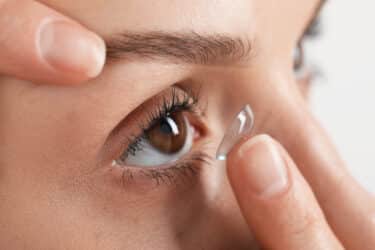
An investigator-initiated, open-label study published in 2025 evaluated twice-daily use of Xiidra in 40 symptomatic contact lens wearers who experienced end-of-day dryness and discomfort.18 Within 2 weeks of starting Xiidra treatment, patients reported improvements in end-of-day dryness, end-of-day discomfort, Contact Lens Dry Eye Questionnaire-8 (CLDEQ-8) scores, and comfortable contact lens wear time. A notable observation in this study was the comparatively young age of the patients who had marked end-of-day eye dryness at baseline (mean age, 30.8 years compared with ~59.0 years in OPUS-2 and OPUS-3).11,12,18 Xiidra was well tolerated by contact lens wearers, with no clinically relevant changes in visual acuity or anterior eye health variables and only 2 treatment-related adverse events reported (increase in tears after treatment cessation and dryness of the periorbital eyelid skin).18 These results are consistent with an earlier prospective, open-label study showing improvements from baseline in mean CLDEQ-8 scores in contact lens wearers (n=21; mean age, 31.8 years) treated twice-daily with Xiidra for 8 weeks.19
Ocular Graft-Versus-Host Disease
Ocular manifestations of graft-versus-host disease (GVHD) share common signs, symptoms, and pathophysiologic mechanisms with those of DED and are driven by inflammatory processes, including proinflammatory cytokine release, inflammatory cell infiltration, fibrosis, and cell loss.20 Given the established immunomodulatory effects of Xiidra and its efficacy in the treatment of DED, an investigator-initiated, randomized, controlled, double-masked study was conducted to assess the efficacy and safety of Xiidra twice daily for 4 weeks in patients with ocular GVHD.21 Among the 16 patients in the modified intent-to-treat population (10 Xiidra, 6 vehicle), the primary endpoint measure, Symptom Assessment iN Dry Eye (SANDE) score, decreased for those treated with Xiidra and increased in the vehicle group (P<0.05 for the mean change from baseline between-group comparison).21 Patients treated with Xiidra experienced improvements in Schirmer score, whereas vehicle-treated patients experienced worsening (P<0.05 for the median change from baseline between-group comparison).21 Xiidra was well tolerated in this population, with no Xiidra-treated patients experiencing a treatment-emergent adverse event, worsening vision, or intraocular pressure excursions.21 Although the study was limited by the small sample size and attrition due to factors such as improvement in SANDE or Schirmer scores during the washout period and health complications unrelated to study treatment, the findings suggest a potential benefit of Xiidra for patients with ocular GVHD.21 These results are congruent with those of an earlier retrospective cohort study that examined the effect and safety of Xiidra in 18 allogeneic transplant recipients with ocular GVHD.22 Eight patients experienced a ≥1-point improvement in the National Institutes of Health ocular GVHD score (range of 0 [no dry eye symptoms] to 3 [severe symptoms]), and 10 had stable scores during Xiidra treatment.22 Xiidra was well tolerated, and no serious adverse events were reported.22
Real-World Experience With Xiidra
Unlike clinical trials, which reflect the experiences of patients meeting strict entry criteria, real-world studies reflect a wider range of patient populations and clinical scenarios, giving insights into how clinicians are using DED treatments in routine clinical practice. A 2020 survey and chart review involving 517 eye care professionals (ECPs) in the United States and Canada who contributed a total of 600 patient charts extracted data regarding clinical use and outcomes of Xiidra treatment in routine clinical practice.23 The majority of patients prescribed Xiidra had evaporative deficiency with or without aqueous deficiency (62.7% or 26.7%, respectively). The predominant contributors to evaporative deficiency were Meibomian gland dysfunction (67.5%); prolonged screen time, reading, or other activities that reduce blinking (44.4%); and blepharitis (39.4%). Approximately one-third of patients had co-occurring cataract at the start of treatment. After initiating Xiidra, patients were less likely to use over-the-counter artificial tears, topical corticosteroids, and cyclosporine, fewer patients experienced symptoms of DED (including eye dryness, blurred vision, and ocular burning/stinging), and improvements were observed in average corneal staining, Schirmer score, and tear film break-up time. The most common reason that ECPs chose Xiidra for DED was because of its efficacy, including immediate relief of symptoms and improvement in signs of DED.
Similarly, in a survey- and interview-based assessment published in 2025 that included 6 ophthalmologists and 6 optometrists from the United States and Canada, the primary reasons that ECPs reported prescribing Xiidra were long-term symptom relief, improvement in signs of DED, insurance coverage, and immediate symptom relief.24 The ECPs surveyed prescribed Xiidra for patients with DED severity ranging from mild to severe, with the first prescription occurring within 3 months of DED diagnosis in most cases. Consistent with the previous survey and chart review, the majority of patients prescribed Xiidra had evaporative deficiency with or without aqueous deficiency (71.4% and 21.0%, respectively). The ECPs also indicated using Xiidra in the context of a variety of acute and chronic iatrogenic causes of DED such as contact lens wear, refractive surgery, cataract surgery, medication-induced DED, keratoplasty, conjunctival surgery, lid surgery, glaucoma surgery, nonsurgical ophthalmic procedures, vitreoretinal surgery, and strabismus surgery.
Clinical Implications
Clinical trial data and real-world evidence demonstrate that Xiidra provides symptom relief and improves signs of DED, with a rapid onset of effect. Collectively, the data suggest that Xiidra is an effective treatment option for DED across a diverse range of underlying causes, supporting its use in patients with varied etiologies and clinical presentations (Table).23,24
| Table. Common uses for Xiidra in routine clinical practice | |
| Patient population13,16,23,24 | Clinical characteristics25-30 |
| Inflammatory DED | Clinical signs of inflammation (eg, conjunctival hyperemia, corneal staining) |
| Moderate to severe DED | Persistent symptoms despite use of artificial tears |
| DED when undergoing cataract or refractive surgerya | Variable biometry/keratometry; candidate for premium IOLs (eg, multifocal or toric); tear film instability and ocular surface irregularities |
| Symptomatic contact lens wearers with DED | Regular contact lens use with symptoms of dryness and/or discomfort, reduced comfortable wearing time, and/or discontinuation due to dryness |
| Systemic/autoimmune conditions associated with DED | Underlying systemic inflammatory conditions (eg, Sjögren’s syndrome, rheumatoid arthritis, diabetes) with significant ocular surface involvement |
| Ocular manifestations of GVHD | History of allogenic stem cell transplantation; severe ocular surface inflammation and epithelial damage |
| Symptomatic | Patient reports symptoms requiring early relief |
| aClinical trial data suggest a benefit to using Xiidra for the treatment of DED both preoperatively and starting approximately 30 days after cataract surgery. DED, dry eye disease; IOL, intraocular lens; GVHD, graft-versus-host disease. | |
Eric Donnenfeld, MD, is a board-certified ophthalmologist at Ophthalmic Consultants of Long Island and a nationally recognized expert in cataract, refractive, and corneal surgery, with extensive experience in the management of ocular surface disease. Disclosures: Dr. Donnenfeld has served as a consultant to Bausch + Lomb and has received research support and/or honoraria from the company.
Jason Bacharach, MD, is a board-certified ophthalmologist and medical director of North Bay Eye Associates, specializing in glaucoma, cataract surgery, and ocular surface disease, with a strong focus on translating clinical evidence into everyday practice. Disclosures: Dr. Bacharach has served as a consultant to Bausch + Lomb and has received research support and/or honoraria from the company.
References
- Amescua G, Ahmad S, Cheung AY, et al. Dry eye syndrome Preferred Practice Pattern®. Ophthalmology. 2024;131(4):P1-P49.
- García-Marqués JV, Talens-Estarelles C, García-Lázaro S, Wolffsohn JS, Cerviño A. Systemic, environmental and lifestyle risk factors for dry eye disease in a mediterranean Caucasian population. Cont Lens Anterior Eye. 2022;45(5):101539.
- Qian L, Wei W. Identified risk factors for dry eye syndrome: a systematic review and meta-analysis. PLoS One. 2022;17(8):e0271267.
- Farrand KF, Fridman M, Stillman IÖ, Schaumberg DA. Prevalence of diagnosed dry eye disease in the United States among adults aged 18 years and older. Am J Ophthalmol. 2017;182:90-98.
- Periman LM, Perez VL, Saban DR, Lin MC, Neri P. The immunological basis of dry eye disease and current topical treatment options. J Ocul Pharmacol Ther. 2020;36(3):137-146.
- Pflugfelder SC, Stern M, Zhang S, Shojaei A. LFA-1/ICAM-1 interaction as a therapeutic target in dry eye disease. J Ocul Pharmacol Ther. 2017;33(1):5-12.
- Periman LM, Mah FS, Karpecki PM. A review of the mechanism of action of cyclosporine A: the role of cyclosporine A in dry eye disease and recent formulation developments. Clin Ophthalmol. 2020;14:4187-4200.
- de Paiva CS, Pflugfelder SC, Ng SM, Akpek EK. Topical cyclosporine. A therapy for dry eye syndrome. Cochrane Database Syst Rev. 2019;9(9):CD010051.
- Xiidra (lifitegrast ophthalmic solution) 5%, for topical ophthalmic use [package insert]. Bridgewater, NJ: Bausch & Lomb Americas Inc.; 2023.
- Sheppard JD, Torkildsen GL, Lonsdale JD, et al. Lifitegrast ophthalmic solution 5.0% for treatment of dry eye disease: results of the OPUS-1 phase 3 study. Ophthalmology. 2014;121(2):475-483.
- Tauber J, Karpecki P, Latkany R, et al. Lifitegrast ophthalmic solution 5.0% versus placebo for treatment of dry eye disease: results of the randomized phase III OPUS-2 study. Ophthalmology. 2015;122(12):2423-2431.
- Holland EJ, Luchs J, Karpecki PM, et al. Lifitegrast for the treatment of dry eye disease: results of a phase III, randomized, double-masked, placebo-controlled trial (OPUS-3). Ophthalmology. 2017;124(1):53-60.
- Holland EJ, Jackson MA, Donnenfeld E, et al. Efficacy of lifitegrast ophthalmic solution, 5.0%, in patients with moderate to severe dry eye disease: a post hoc analysis of 2 randomized clinical trials. JAMA Ophthalmol. 2021;139(11):1200-1208.
- Ahn S, Eom Y, Song JS, Kim DH. Short-term variability in ocular biometry and the impact of preoperative dry eye. Sci Rep. 2024;14(1):26762.
- Biela K, Winiarczyk M, Borowicz D, Mackiewicz J. Dry eye disease as a cause of refractive errors after cataract surgery – a systematic review. Clin Ophthalmol. 2023;17:1629-1638.
- Hovanesian J, Epitropoulos A, Donnenfeld ED, Holladay JT. The effect of lifitegrast on refractive accuracy and symptoms in dry eye patients undergoing cataract surgery. Clin Ophthalmol. 2020;14:2709-2716.
- Yang Y, Gouvea L, Mimouni M, et al. Treatment of dry eyes with lifitegrast 5% before cataract surgery: a prospective trial. Pan-Am J Ophthalmol. 2024;6(3):98.
- Schulze M-M, Guthrie SE, Ho B, Woods J, Jones L. A clinical evaluation of lifitegrast ophthalmic solution 5% in symptomatic contact lens wearers. Clin Ophthalmol. 2025;19:3033-3049.
- Gonzalez AL. Safety and efficacy of lifitegrast 5% ophthalmic solution in contact lens discomfort. Clin Ophthalmol. 2018;12:2079-2085.
- Kantor NB, Tovar A, Wang T, Galor A. How does ocular graft-versus-host disease fit under the dry eye umbrella? A review. Clin Exp Ophthalmol. 2024;52(2):167-185.
- Wong CW, Le HL, Gombos DS, Yee RW. Effects and safety of 5% lifitegrast ophthalmic solution in patients with dry eye disease associated with ocular graft-versus-host disease. Cureus. 2024;16(8):e66437.
- Chhabra S, Jerkins JH, Conto JE, et al. Lifitegrast ophthalmic solution for treatment of ocular chronic graft-versus-host disease. Leuk Lymphoma. 2020;61(4):869-874.
- Hovanesian JA, Nichols KK, Jackson M, et al. Real-world experience with lifitegrast ophthalmic solution (Xiidra®) in the US and Canada: retrospective study of patient characteristics, treatment patterns, and clinical effectiveness in 600 patients with dry eye disease. Clin Ophthalmol. 2021;15:1041-1054.
- Koetting C, Schweitzer J, Nichols KK, et al. Real-world experience with lifitegrast ophthalmic solution in patients with dry eye disease: a provider survey in the USA and Canada. Ophthalmol Ther. 2025;14(9):2109-2124.
- Garcia-Queiruga J, Pena-Verdeal H, Sabucedo-Villamarin B, Garcia-Resua C, Giraldez MJ, Yebra-Pimentel E. Analysis of the differences in ocular surface damage and inflammatory signs between healthy and evaporative dry eye participants. Ocul Immunol Inflamm. 2023;31(5):970-977.
- Lin C-W, Lin M-Y, Huang J-W, Wang T-J, Lin I-C. Impact of dry eye disease treatment on patient quality of life. Front Med (Lausanne). 2024;11:1305579.
- Nibandhe AS, Donthineni PR. Understanding and optimizing ocular biometry for cataract surgery in dry rye disease: a review. Semin Ophthalmol. 2023;38(1):24-30.
- Ramamoorthy P, Sinnott LT, Nichols JJ. Treatment, material, care, and patient-related factors in contact lens-related dry eye. Optom Vis Sci. 2008;85(8):764-772.
- Shan H, Liu W, Li Y, Pang K. The autoimmune rheumatic disease related dry eye and its association with retinopathy. Biomolecules. 2023;13(5):724.
- Nassiri N, Eslani M, Panahi N, Mehravaran S, Ziaei A, Djalilian AR. Ocular graft versus host disease following allogeneic stem cell transplantation: a review of current knowledge and recommendations. J Ophthalmic Vis Res. 2013;8(4):351-358.
Related Content