Optometry360 Logo White
  • Conferences
  • Videos
  • Podcasts
  • Quizzes
  • About
    • About Us – Mission
    • Content Awards
    • Media Partners
    • Business Team
    • Brand Ambassadors
    • Industry Council
    • Advisory Board

What are you looking for?

  • Anterior Segment
  • Cataract
  • Cornea and External Disease
  • Diabetic Macular Edema
  • Dry Eye
  • Early Onset Cataracts
  • Exclusives
  • General
  • Geographic Atrophy
  • Glaucoma
  • Industry News
  • Inherited Retinal Disease
  • IOLs
  • Neurotrophic Keratitis
  • Ocular Surface Disease
  • Oculoplastics
  • Optometry
  • Pediatrics
  • Practice Management
  • Presbyopia
  • Refractive Surgery/Vision Correction
  • Residents & Young Ophthalmologists
  • Retina
  • Retina Care 360
  • Retinopathy of Prematurity
  • Spotlight Series
  • The Interventional Glaucoma Project
  • The Ophthalmic Project
  • Trending Topics
Spotlight - The Future of Cryopreserved Amniotic Membrane in Oculoplastic Surgery
Optometry360 Logo White
  • Conferences
  • Videos
  • Podcasts
  • Quizzes
  • About
    • About Us – Mission
    • Content Awards
    • Media Partners
    • Business Team
    • Brand Ambassadors
    • Industry Council
    • Advisory Board
Home > Presbyopia > Comparing visual outcomes of two toric IOLs over extended follow-up
  • Presbyopia

Comparing visual outcomes of two toric IOLs over extended follow-up

Kelsey Moroz

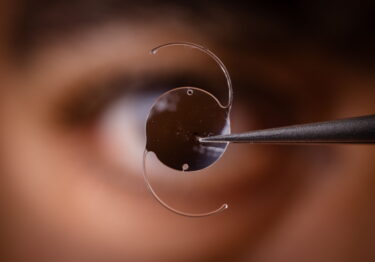
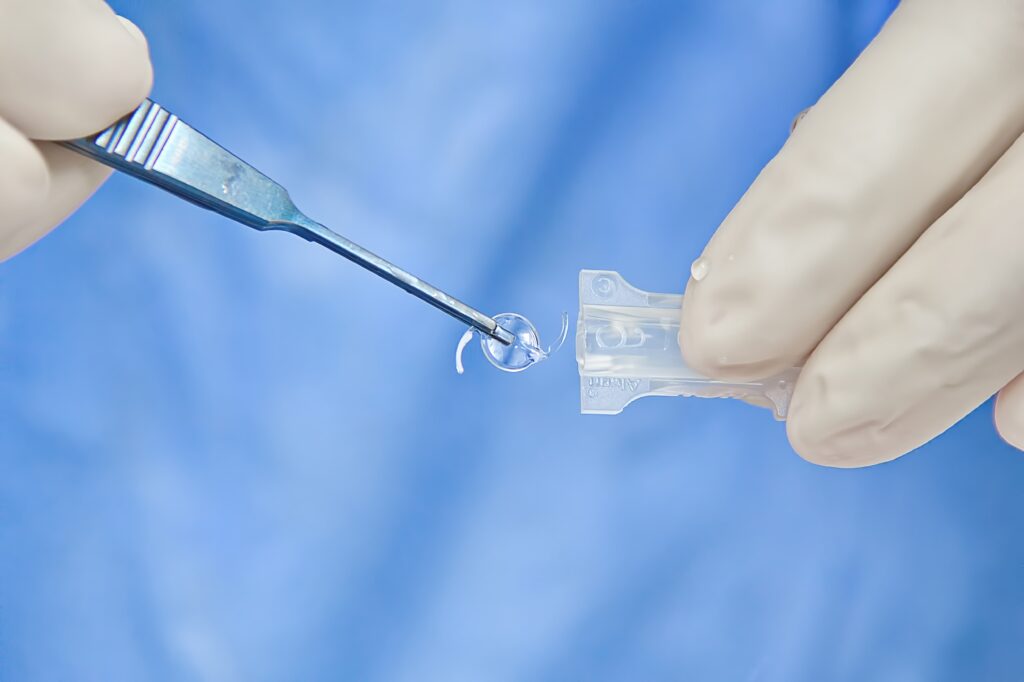
Intraocular lenses (IOLs) provide long-term stability and effective vision correction across multiple distances, making them reliable options for presbyopia correction even several years after implantation, according to a study.

A recent study assessed the long-term visual outcomes and alignment stability of 2 toric IOLs—the AT Lisa Tri Toric and the Acrysof IQ Restor Toric , more than 3 years post-implantation. The research included 42 eyes with follow-up periods averaging 5.4 years for the AT Lisa group and 7.9 years for the Acrysof IQ Restor group.

Both IOLs demonstrated excellent long-term axial stability. The AT Lisa group showed a mean misalignment of 4.8° ± 3.2°, while the Acrysof IQ Restor group had 5.4° ± 4.5°—a difference that was not statistically significant. Postoperative spherical equivalent refractions were well-aligned, with most eyes achieving a target range between -0.50 and +0.50 diopters.

Visual outcomes were also favorable. In the AT Lisa group, 72% of eyes achieved uncorrected distance visual acuity of 20/25 or better, compared to 88% in the Acrysof IQ Restor group. Both IOLs provided effective vision correction at far, intermediate, and near distances.

The findings confirm that the AT Lisa Tri Toric and Acrysof IQ Restor Toric IOLs are stable and effective for long-term use.

Reference
Köppe MK, Auffarth GU, Son HS, et al. Evaluation of Long-term Rotational Stability and Functional Performance of Two Toric Multifocal IOL Models Beyond 5 Years. J Refract Surg. 2024;40(11):e845-e853. doi: 10.3928/1081597X-20241002-05. Epub 2024 Nov 1. PMID: 39530984.

Share

Related Content

  • Cataract

IOL exchange shows highest success for dissatisfaction after presbyopia-correcting lens surgery

  • Conference Roundup

OmniVu modular shape-changing IOL offers stable refraction and sustained improvement in near vision

  • Conference Roundup

How depth of field IOL technologies can provide tolerance to refractive error

  • Refractive Surgery/Vision Correction

First-in-human study underway for non-invasive vision correction technology

  • Presbyopia

Presbyopia-correcting IOL impresses patients

FDA approves Eysuvis for short-term treatment of dry eye disease
  • Presbyopia

FDA approves first dual-agent eye drop for presbyopia

Share

Editor's Picks

  • Neurotrophic Keratitis

Topical insulin shows real-world benefit in neurotrophic keratopathy

  • Retina

GLP-1 RAs have protective effects against AMD

  • Retina

Four-month injection intervals appear safe for long-term stable nAMD

Advisory Board

Saad Ahmad, MD

Ahmad A. Aref, MD, MBA

Roomasa Channa, MD

David Chow, MD, FRCS(C)

Sally L. Baxter, MD, MSc

Neel R. Desai, MD

Nadia Haqqie, MD

Simon Fung, MD, FRCOphth

Sumit Garg, MD

Ross Lakhanpal, MD, FACS

Sanjai Jalaj, MD

Anton Kolomeyer, MD, PhD

Shan Lin, MD

Steven R. Sarkisian, Jr., MD

See All
Optometry360 Logo

Ophthalmology 360® is a dynamic digital platform dedicated to advancing the field of eye care.

Get to Know Us

  • Home
  • About Us
  • Media Partners
  • Advertising Policy
  • Our Advisory Board

Sign up for our Newsletter

Sign up for our Newsletter to get our newest articles instantly!

  • Privacy Policy
  • Advertising Policy
  • Medical Disclaimer
IHM Logo

2026 Ophthalmology 360 is a trademark of International Healthcare Media, LLC. All rights reserved

  • MedJournal360 Icon
  • RareDisease360 Icon
  • MyHero360 Icon
  • Optometry360 Icon
  • Ophtalmology360 Icon