Optometry360 Logo White
  • Conferences
  • Videos
  • Podcasts
  • Quizzes
  • About
    • About Us – Mission
    • Content Awards
    • Media Partners
    • Business Team
    • Brand Ambassadors
    • Industry Council
    • Advisory Board

What are you looking for?

  • Anterior Segment
  • Cataract
  • Cornea and External Disease
  • Diabetic Macular Edema
  • Dry Eye
  • Early Onset Cataracts
  • Exclusives
  • General
  • Geographic Atrophy
  • Glaucoma
  • Industry News
  • Inherited Retinal Disease
  • IOLs
  • Neurotrophic Keratitis
  • Ocular Surface Disease
  • Oculoplastics
  • Optometry
  • Pediatrics
  • Practice Management
  • Presbyopia
  • Refractive Surgery/Vision Correction
  • Residents & Young Ophthalmologists
  • Retina
  • Retina Care 360
  • Retinopathy of Prematurity
  • Spotlight Series
  • The Interventional Glaucoma Project
  • The Ophthalmic Project
  • Trending Topics
Spotlight - The Future of Cryopreserved Amniotic Membrane in Oculoplastic Surgery
Optometry360 Logo White
  • Conferences
  • Videos
  • Podcasts
  • Quizzes
  • About
    • About Us – Mission
    • Content Awards
    • Media Partners
    • Business Team
    • Brand Ambassadors
    • Industry Council
    • Advisory Board
Home > Cataract > Advancements in childhood cataract research: Unraveling genetic factors, surgical innovations, and AI applications

  • Cataract

Advancements in childhood cataract research: Unraveling genetic factors, surgical innovations, and AI applications

Ophthalmology 360
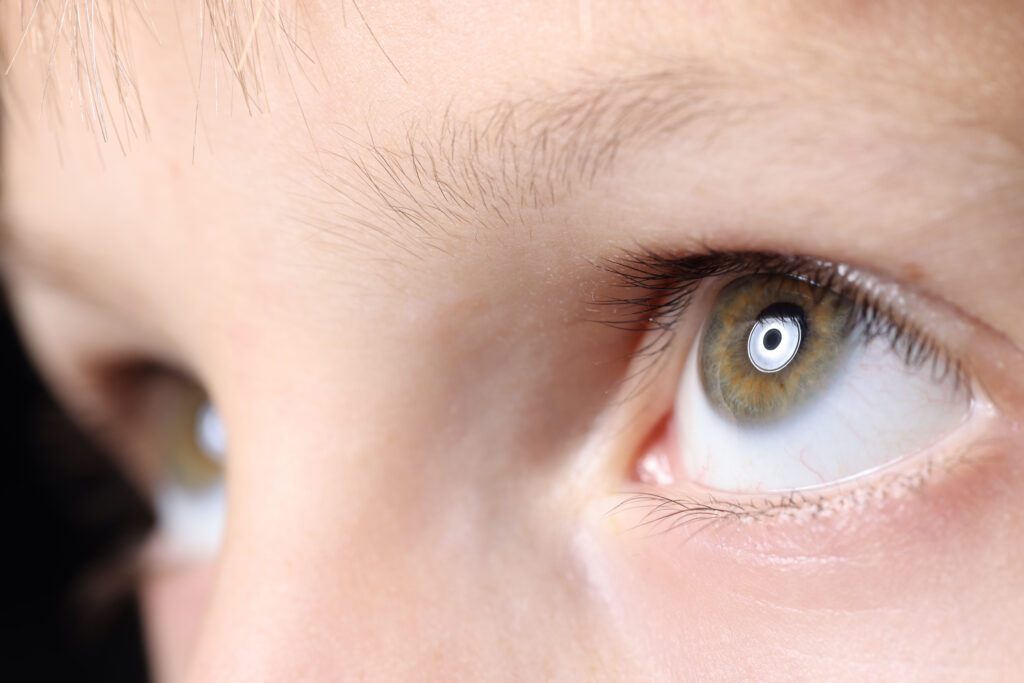
child eye

Childhood cataract research is driven by a focus on understanding the genetic factors and spectrum of the disease, improving surgical techniques, and addressing postoperative complications, according toa new study, which highlights the significance of multidisciplinary collaborations and the emerging role of artificial intelligence in the diagnosis and treatment of childhood cataracts.

The study examined 3395 publications on childhood cataract published between 2012 and 2021.

The findings found an inconsistent annual increasing trend in childhood cataract publications, indicating the growing interest and research activity surrounding this condition. The United States emerged as the leading contributor with 939 publications, highlighting the country’s prominent role in advancing childhood cataract research. Among journals, the Journal of American Association for Pediatric Ophthalmology and Strabismus stood out with the highest number of publications (113).

Author collaboration networks were identified, comprising 8 clusters involving 183 authors. These collaborations fostered interdisciplinary approaches and contributed to the multidimensional understanding of childhood cataract. The study also identified several research hotspots, including gene mutation analysis, cataract surgery management, complications related to intraocular lens implantation, prevalence studies, and the association of cataracts with glaucoma.

The analysis highlighted frontier research topics that are gaining prominence within childhood cataract research. Pediatric cataract surgery, the discovery of new mutations underlying the disease, the application of artificial intelligence in diagnosis and treatment, and investigations into cerebrotendinous xanthomatosis were identified as areas of increasing interest and exploration.

Reference
Tan Y, Chen H, Gong S, et al. Evolution and trends of childhood cataract research in the past 10 years: A scientometric analysis. Heliyon. 2023;9(6):e17590. doi: 10.1016/j.heliyon.2023.e17590. PMID: 37416629; PMCID: PMC10320269.

Share

Related Content

  • Dry Eye

Analysis of FDA reports reveals widespread ocular adverse events linked to antidepressants

  • Cataract

Optimizing cataract surgery outcomes through dry eye management

  • Cataract

Spotlight on TECNIS Odyssey™

  • Cornea and External Disease

Phase 3 trial of cenegermin-bkbj for PCED enrolls first US patient

  • Retina Care 360

Physical activity shows mixed effects on visual outcomes in type 2 diabetes

  • Trending Topics

AI-based diagnostics show promise for early ocular disease detection

Share

Editor's Picks

  • Neurotrophic Keratitis

Topical insulin shows real-world benefit in neurotrophic keratopathy

  • Retina

GLP-1 RAs have protective effects against AMD

  • Retina

Four-month injection intervals appear safe for long-term stable nAMD

Advisory Board

Saad Ahmad, MD

Ahmad A. Aref, MD, MBA

Roomasa Channa, MD

David Chow, MD, FRCS(C)

Sally L. Baxter, MD, MSc

Neel R. Desai, MD

Nadia Haqqie, MD

Simon Fung, MD, FRCOphth

Sumit Garg, MD

Ross Lakhanpal, MD, FACS

Sanjai Jalaj, MD

Anton Kolomeyer, MD, PhD

Shan Lin, MD

Steven R. Sarkisian, Jr., MD

See All
Optometry360 Logo

Ophthalmology 360® is a dynamic digital platform dedicated to advancing the field of eye care.

Get to Know Us

  • Home
  • About Us
  • Media Partners
  • Advertising Policy
  • Our Advisory Board

Sign up for our Newsletter

Sign up for our Newsletter to get our newest articles instantly!

  • Privacy Policy
  • Advertising Policy
  • Medical Disclaimer
IHM Logo

2026 Ophthalmology 360 is a trademark of International Healthcare Media, LLC. All rights reserved

  • MedJournal360 Icon
  • RareDisease360 Icon
  • MyHero360 Icon
  • Optometry360 Icon
  • Ophtalmology360 Icon