

Optometry360 Logo White
  • Conferences
  • Videos
  • Podcasts
  • Quizzes
  • About
    • About Us – Mission
    • Content Awards
    • Media Partners
    • Business Team
    • Brand Ambassadors
    • Industry Council
    • Advisory Board

What are you looking for?

  • Anterior Segment
  • Cataract
  • Cornea and External Disease
  • Diabetic Macular Edema
  • Dry Eye
  • Early Onset Cataracts
  • Exclusives
  • General
  • Geographic Atrophy
  • Glaucoma
  • Industry News
  • Inherited Retinal Disease
  • IOLs
  • Neurotrophic Keratitis
  • Ocular Surface Disease
  • Oculoplastics
  • Optometry
  • Pediatrics
  • Practice Management
  • Presbyopia
  • Refractive Surgery/Vision Correction
  • Residents & Young Ophthalmologists
  • Retina
  • Retina Care 360
  • Retinopathy of Prematurity
  • Spotlight Series
  • The Interventional Glaucoma Project
  • The Ophthalmic Project
  • Trending Topics
Spotlight - The Future of Cryopreserved Amniotic Membrane in Oculoplastic Surgery
Optometry360 Logo White
  • Conferences
  • Videos
  • Podcasts
  • Quizzes
  • About
    • About Us – Mission
    • Content Awards
    • Media Partners
    • Business Team
    • Brand Ambassadors
    • Industry Council
    • Advisory Board
Home > Glaucoma > Comparing iStent and KDB Implants: Similar IOP reduction but varied medication effects
  • Glaucoma

Comparing iStent and KDB Implants: Similar IOP reduction but varied medication effects

Ophthalmology 360

Both iStent Inject implantation (iStent) and Kahook Dual Blade goniotomy (KDB), when combined with phacoemulsification, are effective in lowering intraocular pressure (IOP) in patients with mild to advanced open-angle glaucoma, according to a study. However, KDB appeared to offer a potential advantage in reducing medication dependency postoperatively compared to iStent.

This retrospective chart review of 153 patients at a single center, aimed to assess the 2-year outcomes of these procedures.

Both iStent and KDB procedures, when combined with phacoemulsification, resulted in a significant reduction in IOP across all stages of glaucoma. Specifically, the mean IOP decreased from baseline to 14.2±4.1 mm Hg in the iStent group and to 14.7±3.6 mm Hg in the KDB group after 2 years.

The study found that the number of medications required postoperatively was significantly reduced in both groups. However, patients who underwent KDB experienced a greater reduction in medications compared to those who received iStent implants.

The success criteria of the study, defined as IOP reduction of at least 20% with a postoperative IOP of no more than 18 mm Hg, were met by a similar proportion of patients in both groups. However, a higher percentage of patients in the KDB group achieved a reduction of at least 1 medication compared to the iStent group.

The study found that the efficacy of both procedures remained consistent across different stages of glaucoma severity, indicating their suitability for a broad range of patients.

Reference
Barkander A, Economou MA, Jóhannesson G. Outcomes of iStent Inject Versus Kahook Dual Blade Surgery in Glaucoma Patients Undergoing Cataract Surgery. J Glaucoma. 2023;32(10):e121-e128. doi: 10.1097/IJG.0000000000002243. Epub 2023 Jun 14. PMID: 37327470; PMCID: PMC10538610.

Share

Related Content

  • Cataract

Spotlight on TECNIS Odyssey™

  • Glaucoma

Study finds significant IOP reductions with iDose TR and MIGS procedures

  • Glaucoma

EyeValve device lowers IOP and maintains control for 9 months in first-in-human study

  • Glaucoma

GLP-1 therapies may offer potential benefits in glaucoma

  • Cataract

IOL exchange shows highest success for dissatisfaction after presbyopia-correcting lens surgery

  • Cataract

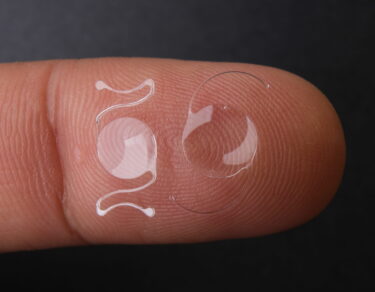
Head-to-head study highlights differences between EDoF intraocular lenses

Share

Editor's Picks

  • Neurotrophic Keratitis

Topical insulin shows real-world benefit in neurotrophic keratopathy

  • Retina

GLP-1 RAs have protective effects against AMD

  • Retina

Four-month injection intervals appear safe for long-term stable nAMD

Advisory Board

Saad Ahmad, MD

Ahmad A. Aref, MD, MBA

Roomasa Channa, MD

David Chow, MD, FRCS(C)

Sally L. Baxter, MD, MSc

Neel R. Desai, MD

Nadia Haqqie, MD

Simon Fung, MD, FRCOphth

Sumit Garg, MD

Ross Lakhanpal, MD, FACS

Sanjai Jalaj, MD

Anton Kolomeyer, MD, PhD

Shan Lin, MD

Steven R. Sarkisian, Jr., MD

See All
Optometry360 Logo

Ophthalmology 360® is a dynamic digital platform dedicated to advancing the field of eye care.

Get to Know Us

  • Home
  • About Us
  • Media Partners
  • Advertising Policy
  • Our Advisory Board

Sign up for our Newsletter

Sign up for our Newsletter to get our newest articles instantly!

  • Privacy Policy
  • Advertising Policy
  • Medical Disclaimer
IHM Logo

2026 Ophthalmology 360 is a trademark of International Healthcare Media, LLC. All rights reserved

  • MedJournal360 Icon
  • RareDisease360 Icon
  • MyHero360 Icon
  • Optometry360 Icon
  • Ophtalmology360 Icon